

1 Killing site(s)
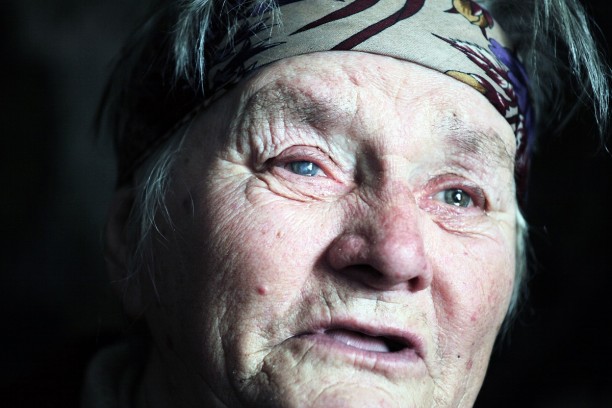
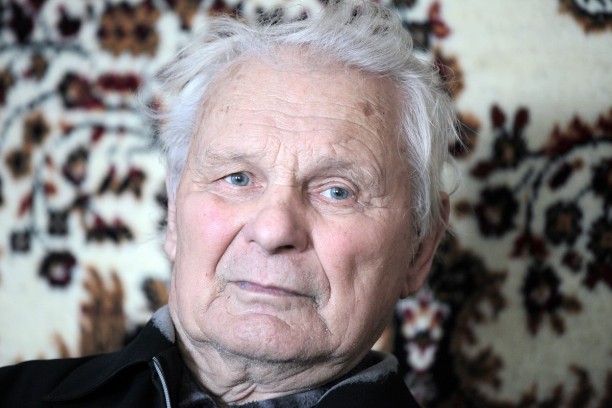
Anatoli P., born in 1923: "In the autumn of 1941, Jews were brought here from elsewhere and confined in the kolkhoz barns. Since the agricultural work had already been completed, the kolkhoz was no longer operating at that time of year. There were quite a lot of them, although I could not say exactly how many. They stayed there for some time, perhaps one or two months. In winter, they were taken to the former airfield, where pits left from old fuel reservoirs were. I know that there were ethnic German policemen, the Volksdeutsche among the perpetrators. For example, there was a man named Johann from Bondarivka, who was particularly zealous and repeatedly escorted the Jews confined in the kolkhoz to the killing site where they were shot. Afterwards, hemp was brought to the site, and the bodies were burned.
The small number of local Jews living in the village were also shot. My classmate Izia Dubin, his mother, and his sister managed to hide near the pond. One day, the German police learned about their hiding place, captured the family, and shot them near the pond in front of my mother’s eyes as she was bringing them food." (Testimony N°YIU1289U, interviewed in Tokarivka (former Kudryavtsivka), on November 07, 2011)
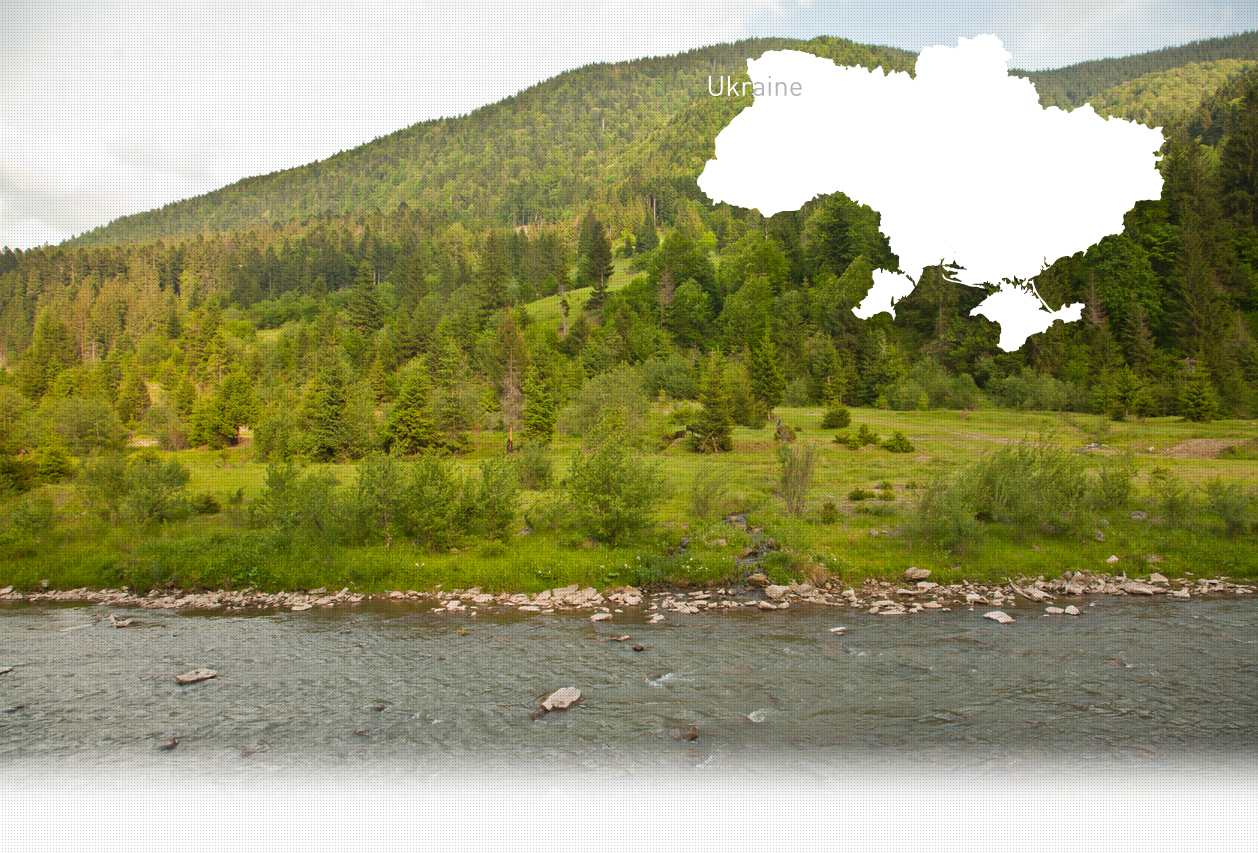
Tokarivka is a village in Mykolaiv Oblast, located approximately 47 km (29 mi) from Voznesensk. The village was established in 1910 around Kolosivka railway station. It was renamed Kudryavtsivka in 1920 and later Tokarivka in 2016.
Unlike nearby settlements such as Mostove or Voznesensk, this locality was not a significant center of Jewish life. No reliable demographic data is available regarding its Jewish population before 1941. Nevertheless, a small number of Jewish families lived in the village. Hanna H., born in 1933 and interviewed by Yahad - In Unum, recalled the Yanovski family, who had five children. According to her testimony, the father worked at the grain elevator. She also remembered Busia, the accountant’s wife, and her infant child, as well as the family of her classmate Dolia. Anatolii, born in 1923, also remembers the family of his classmate Izia Dubin. These testimonies suggest that, although Jews constituted only a very small proportion of the village’s population before 1941, they were nevertheless well integrated into the village’s social and economic life.
Kudryavtsivka (today Tokarivka) came under German military occupation around August 10, 1941 and was incorporated into Romanian-administered Transnistria in early September 1941.
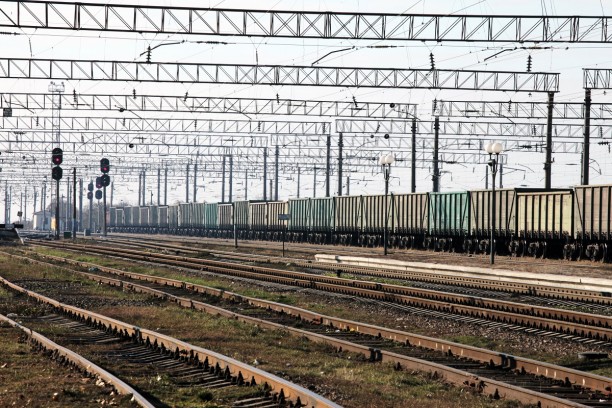
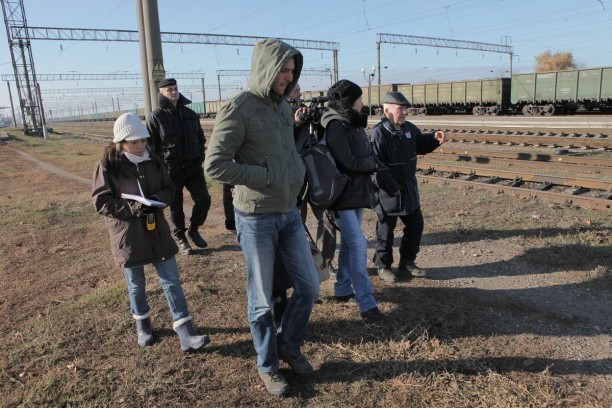
In late 1941 and early 1942, Kolosivka railway station became a major transit point for Jews deported from Odesa and the surrounding region to Transnistria. Available estimates suggest that between 5,000 and 10,000 Jewish deportees passed through the station. Deportees unable to continue the march were killed on the spot, most likely by Romanian gendarmes assisted by ethnic German and Ukrainian auxiliaries, while the remaining Jews were sent on foot to camps in the surrounding villages, including Kolosivka, Mostove, and Pavlivka.
According to local archival sources, Bereichkommando 11 (BK 11), a unit of the SS Sonderkommando Russland (SkR) stationed in Rastadt, repeatedly removed Jews from Kolosivka railway station, robbed them, and murdered them at nearby killing sites.
Mykhailo S., born in 1923, confirms the importance of Kolosivka railway station in the implementation of the genocidal process in the district. While working at the station, he witnessed numerous freight trains carrying Jewish deportees arriving on average once a week. Most originated from Odesa. He recalled that the deportees were then sent to nearby localities, particularly Mostove.
Although most Jews unloaded at Kolosivka railway station were transferred to camps elsewhere in the region, some were killed in Kudryavtsivka alongside local Jews. Halyna H., born in 1933 and interviewed by Yahad, recalled the arrival of four or five railway wagons carrying Jewish deportees at Kolosivka station. The deportees were then escorted to a pre-existing pit near the Kudryavtsivka airfield and shot.
According to her testimony, several local Jews were also murdered that day. Among the victims, Halyna recognized her neighbor, Busia, and her infant child. She also witnessed the killing of her Jewish friend, Anna Yanovska, who was shot by a German soldier as she ran through the street. Later, a truck collected the bodies of the Jews killed in the village and transported them to the same pit.
Anatolii P., born in 1923, also recalled the killing of Jews near the fuel reservoirs adjacent to the airfield. According to his testimony, Jewish deportees arrived in Kudryavtsivka in the autumn of 1941, were temporarily housed in the barns of the local kolkhoz, and several days later were taken to the reservoirs and shot. He further stated that ethnic Germans from the neighboring village of Bondarivka participated in the Aktion.
Both witnesses agreed that, after the shooting, hemp was brought to the site. The victims’ bodies were laid in layers interspersed with hemp, doused with gasoline, and burned.
These testimonies are corroborated by local archival records indicating that approximately 200 Jews were murdered in Kudryavtsivka. Fourteen were local Jews; the remainder were deportees from other localities.
Anatolii also remembered the family of his Jewish classmate, Izia Dubin, who had managed to hide with his mother and sister near a pond for several days before they were discovered and killed.
Sources also indicate the existence of a small labor camp near Kolosivka railway station between 1942 and 1943. Jewish deportees assigned to the camp appear to have maintained the railway infrastructure and handled freight passing through the station. Although documentation on the Kudryavtsivka camp is scarce, regional archival records cited by local historians indicate that, on February 2, 1942, German policemen from Mykhailivka removed 60 Jewish inmates from the camp, killed them, and confiscated their property, which was taken to Mykhailivka.
Do you have additional information regarding a village that you would like to share with Yahad ?
Please contact us at contact@yahadinunum.org
or by calling Yahad – In Unum at +33 (0) 1 53 20 13 17