1 Killing site(s)
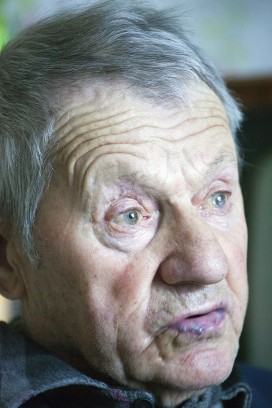
Anatolii D., born in 1926 : "It was forbidden to approach the columns which were guarded by Germans. A young Jew tried to escape and a German or a Romanian shot him. I didn’t see columns at night but it is possible that there were some. The Jews were brought in crowds, not in rows. Some of them had little packages." (Testimony N°YIU1336U, interviewed in Zabary, on November 18, 2011)
Nove was a small rural hamlet in the Voznesensk District of Mykolaiv Oblast, comprising approximately 80 households and located about 40 km (25mi) from Voznesensk and 2 km from the village of Zabary. At the time of its establishment, the hamlet was known as Shvartsove, after the local landowner. It was later renamed Nove.
No information is currently available regarding the presence of a prewar Jewish population in the hamlet.
Nove ceased to exist as an independent settlement in the 1960s, when many of its inhabitants relocated to Zabary and other nearby villages.
Nove was occupied by German troops in August 1941 and subsequently transferred under Romanian authority.
Located near the strategic road leading to Domanivka and Bohdanivka, Nove was regularly crossed by columns of deported Jews. According to Anatolii D., born in 1926 and interviewed by Yahad – In Unum, thousands of Jewish men, women, children, and elderly people passed through the hamlet over an extended period under Romanian guard. The deportees did not stop in Nove but continued on foot toward Zabary and then to Domanivka and Bohdanivka. During one of these marches, a young Jewish man who left the column, apparently unable to continue, was immediately shot by one of the guards. It is, however, not known where his body was buried.
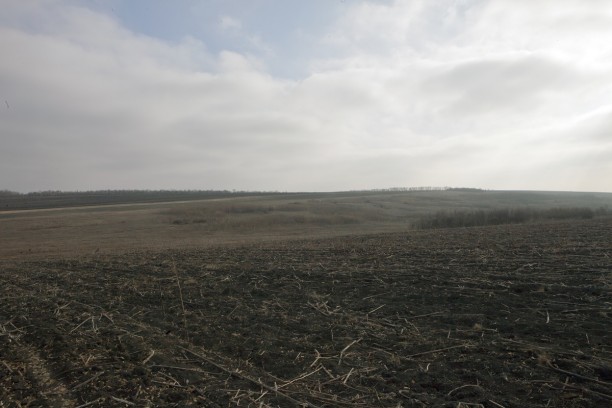
The witness also recalled that, on another occasion, five Jews who had been hiding in the surrounding fields were discovered by a policeman from the neighboring village of Borishovka and murdered in a nearby ravine. According to available information, the killing site in the ravine has since been converted into cultivated land and remains unmarked by any memorial or commemorative plaque.
According to the same witness, a group of approximately 30 Jews from the Domanivka camp, originally from Odesa, was later brought to Nove at the request of the village head to work on the local kolkhoz (collective farm). They were housed in a former chicken coop that had been fitted with a wood-burning stove and were employed both on the collective farm and by local villagers, as several of them were skilled craftsmen, including tailors and shoemakers. According to Anatolii, all members of this group survived the war and returned to Odesa.
Do you have additional information regarding a village that you would like to share with Yahad ?
Please contact us at contact@yahadinunum.org
or by calling Yahad – In Unum at +33 (0) 1 53 20 13 17