
1 Killing site(s)
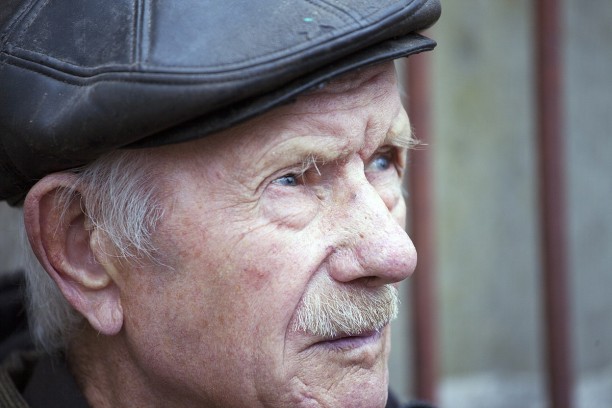
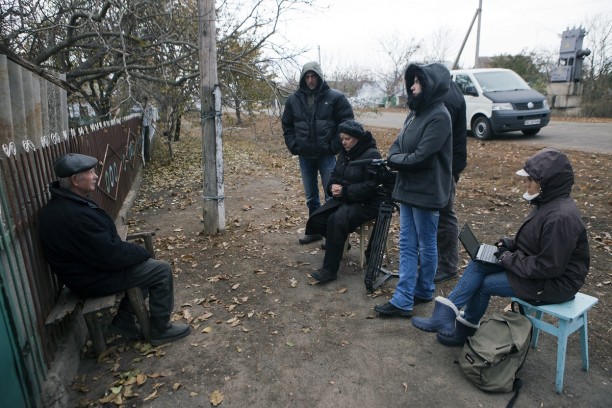
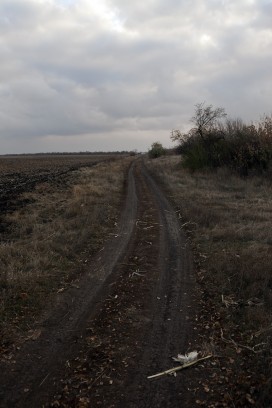
Mykola T., born in 1928: "Columns of Jews were marched along the road leading from Berezivka to Domanivka, Mostove, and Bohdanivka. They passed that way in both winter and summer. Many people died along the road from hunger, cold, or disease. There were bodies lying all along the roadside. Local men were then forced to collect the bodies and take them to the anti-tank ditch that ran alongside the road. The bodies were covered with hemp and burned. The local people had to collect the bodies several times. Every four or five days, they went out to gather the corpses." (Testimony N°YIU1294U, interviewed in Zelene on November 09, 2011)
Voronivka is a small village in Mykolaiv Oblast, located approximately 36 km (22 mi) southeast of Voznesensk. Before the Second World War, Voronivka had no known permanent Jewish population. Its inhabitants were predominantly Ukrainian, while the nearest substantial Jewish communities were located in Voznesensk and several Jewish agricultural settlements in the surrounding region.
Before the Second World War, Voronivka lay in the immediate vicinity of several ethnic German (Volksdeutsche) colonies established during the Russian imperial period, including Rashtadt (present-day Porichchia), München (present-day Hradivka), and Landau. This proximity to the surrounding Volksdeutsche colonies would later prove particularly significant during the Holocaust.
Voronivka, as well as the surrounding area, was occupied by German troops in August 1941, and the Romanian civilian administration assumed control in September 1941.
According to Mykola T., born in Voronivka in 1928 and interviewed by Yahad – In Unum, a group of Jews was brought to Voronivka on foot by Romanian forces around November or December 1941. They were confined in an empty grain barn for about six weeks but were reportedly allowed to seek food in the village, while local inhabitants also brought them provisions.
The witness recalled that, shortly before the new year, more than fifteen German colonists from the nearby Volksdeutsche settlement of Rashtadt (present-day Porichchia) arrived on horse-drawn carts. The Jews attempted to flee, but the Germans surrounded the village, opened fire, and captured the survivors. The bodies of those killed in Voronivka were loaded onto the carts, while the remaining Jews were taken to the lime kilns near Hradivka, approximately 5–6 km away, where they were shot. The witness remembered hearing bursts of machine-gun fire from Hradivka and seeing black smoke rising above the site. He estimated that three or four Jews were killed in Voronivka and the rest at Hradivka. Mykola’s testimony is corroborated by the findings of local researchers and by documents preserved in the archives of the Mykolaiv Regional Directorate of the Security Service of Ukraine (SBU).
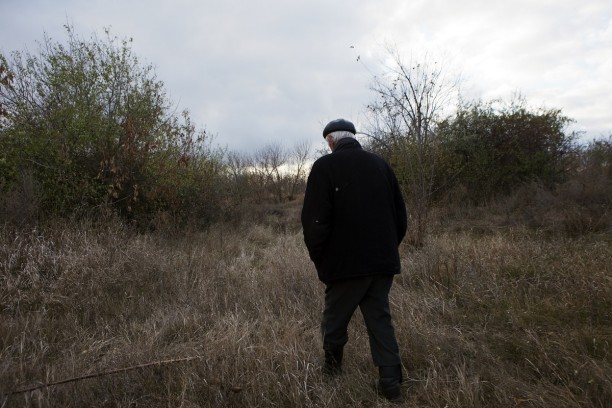
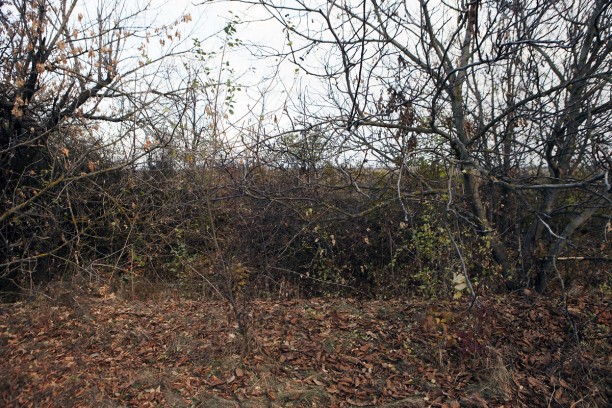
The witness further stated that, from the winter of 1941 until the summer of 1942, columns of Jews regularly passed through Voronivka on their way to Domanivka and Bohdanivka under Romanian guard. Many died from hunger, exhaustion, or exposure during the marches. Villagers were forced to collect the bodies, which were taken to an anti-tank ditch between Voronivka and Zelene, covered with dried hemp, and burned. He estimated that approximately 20 victims died in this manner. According to the available information, the burial site in the anti-tank ditch is not marked by a memorial.
Do you have additional information regarding a village that you would like to share with Yahad ?
Please contact us at contact@yahadinunum.org
or by calling Yahad – In Unum at +33 (0) 1 53 20 13 17