


1 Killing site(s)
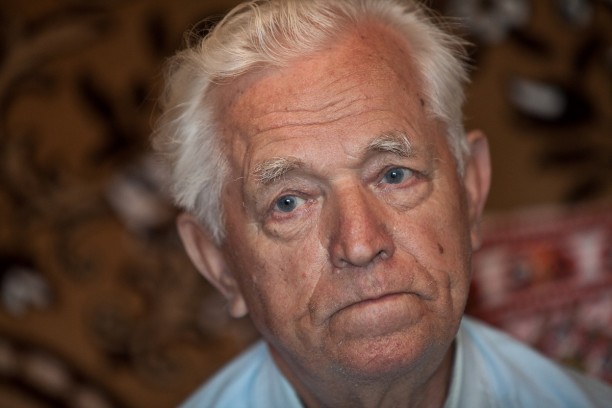
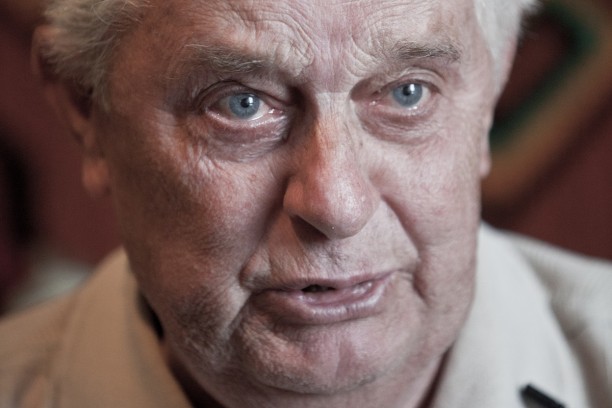
Bronyslav Ts., born in 1934: "The Jews lived mainly in the town center and worked primarily in trade. When the Germans arrived, everything remained relatively calm for about a year and a half. Then the persecution of the Jews began. The first Aktion took place in July, as far as I remember. During this Aktion, the Germans rounded up the poorest Jews; those who had some money were able to pay a ransom and remain alive for a little while longer.
That day, the Germans arrived in trucks, surrounded the town center, and carried out a raid. They gathered about fifty Jews of all ages — entire families. They were taken by truck to the Jewish cemetery. Some of the Jews were forced to dig the pit. Then a plank was laid over it, and the Jews were made to walk forward on the plank, one by one, and were shot.
I remember a woman holding an infant in her arms; the child was not even a year old. They shot her, and she fell. It was horrible.
Afterward, the pit was filled in, but because of the heat, blood rose to the surface, and a typhus epidemic broke out. As far as I know, after that, the remaining Jews were transported to the Stryi ghetto." (Testimony N°YIU1519U, interviewed in Rozdil, on May 25 2012)
" […] The commission established that at the end of 1942 and beginning of 1943, German invaders carried out a massacre of the Jewish population and killed more than 400 people. The shooting was carried out by German soldiers with the participation of Ukrainian policemen […]. The Jewish victims, including elderly people, women, and children, were killed outside the village of Rozdil. […] Nearly 1,700 Jews from Rozdil were deported to Belzec, where they were also killed. " [ACT No. 25. Drawn by State Extraordinary Soviet Commission (ChGK) on May 20 1945. GARF 7021-58-22 pp.56-57/Copy USHMM RG.22-002M]
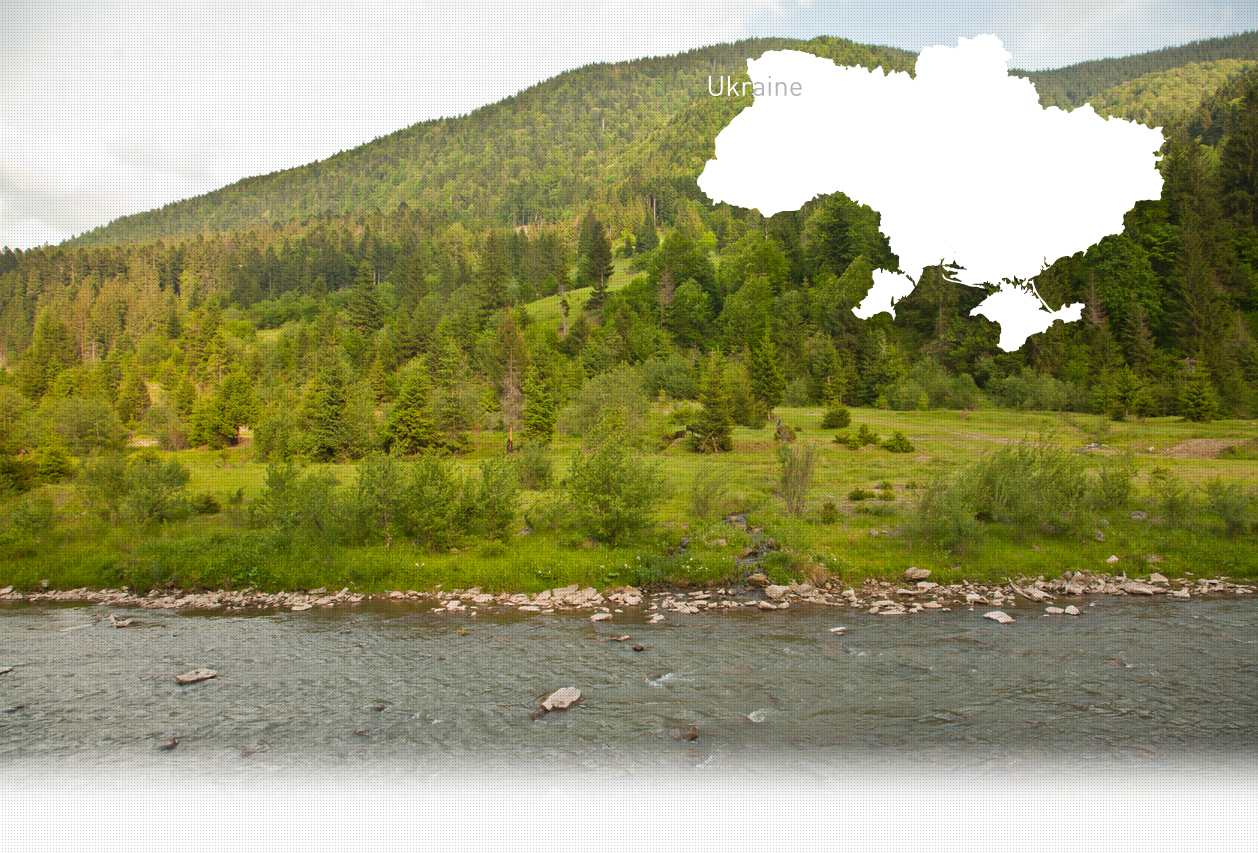
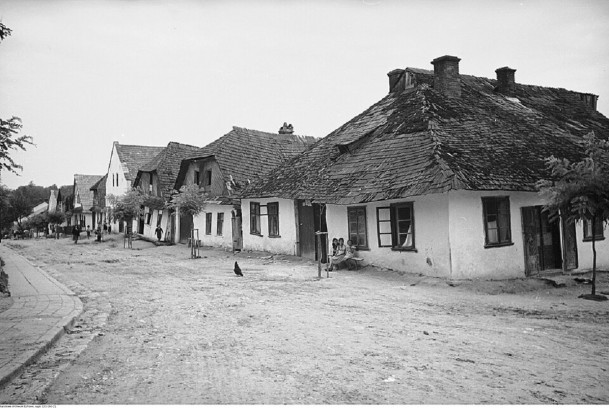
Rozdil is a village in the Lviv region, situated 54 km (33 mi) from Lviv. It was founded in 1569. Jewish presence in Rozdil is documented as early as 1614, and by 1628 the community already had homes near the market square and a small school (a heder). Over the centuries, the community grew steadily. By 1765, 639 Jews lived in the settlement. In the late 19th and early 20th centuries, Jews made up nearly half of the town’s population: 2,465 Jews in 1880, 2,262 around 1900, 1,725 in 1921, and 1,902 in 1931.
Economically, Jews in Rozdil worked primarily as small merchants, shopkeepers, artisans, and peddlers. With the rise of Hasidism, Rozdil became home to notable Hasidic leaders, including rabbis from the Taub dynasty, whose influence shaped the religious identity of the community.
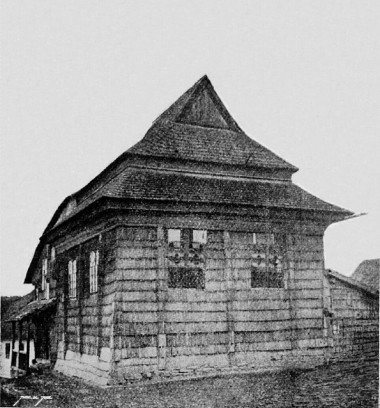
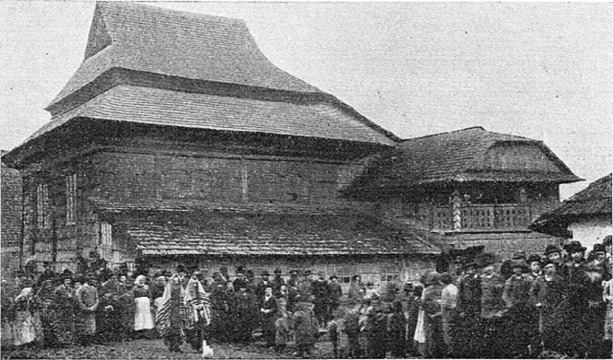
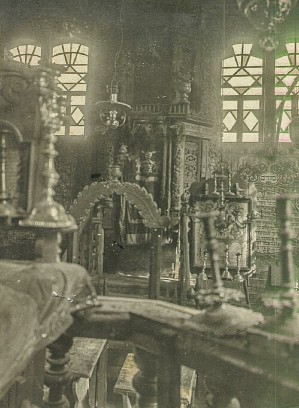
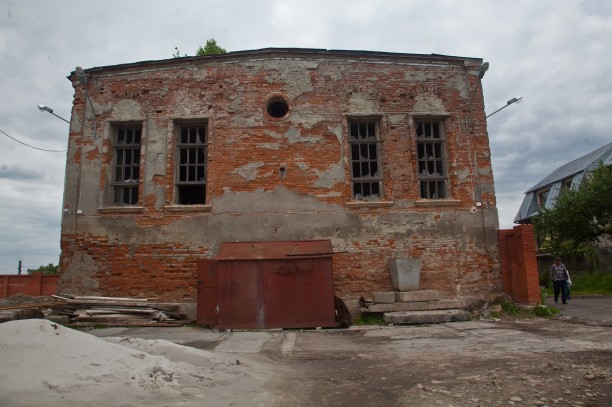
Jewish communal life was rich and well organized. A wooden synagogue stood in the town before 1700, though it burned down in 1907. A new synagogue was built in 1927 near the Jewish cemetery. Alongside strong Hasidic traditions, the early 20th century also saw the rise of modern Jewish movements, including active Zionist groups. A Hebrew school operated from the period following World War I until 1939.
Despite periodic hardships, including a major fire in 1880 and waves of emigration before and after World War I, Jewish life in Rozdil remained vibrant and influential up to the eve of the German invasion in 1941. When the Soviets occupied Rozdil in 1939, many Jewish refugees from Poland arrived in the town, increasing the Jewish population to around 2,500. Those who refused to accept Soviet citizenship were deported to Siberia. On the eve of the German invasion, over 2,000 Jews remained in Rozdil.
Rozdil was occupied by German troops on June 23, 1941. Shortly afterward, anti-Jewish measures were implemented in the town. Jewish men and women were subjected to forced labor: some were assigned to scavenging units, while others were compelled to perform heavy labor on roads or in agriculture. In the summer of 1941, one of these work groups was shot near the town. By June 1942, 1,639 Jews remained in Rozdil.
According to Soviet archival records, at the end of 1942 and the beginning of 1943, over 400 Jews were killed in the vicinity of Rozdil during a series of Aktions. However, according to a local witness, Bronyslav T., born in 1934 and interviewed by Yahad, the first shooting of Jewish residents took place as early as July 1942. During this Aktion, around fifty people—men, women, and children—were taken to the Jewish cemetery and shot. The poorest Jews were killed first, while wealthier individuals were able to pay for temporary survival.
On September 4–5, 1942, approximately 1,000 Jews were taken from Rozdil to Khodoriv, from where they were deported to the Bełżec killing center.
On September 30, 1942, most of the remaining Jews were sent to the Stryi area, where they subsequently shared the fate of the local Jewish community. According to Bronyslav T., during the deportation Aktions in the fall of 1942, trucks carrying German soldiers arrived in the town, surrounded the central area where the Jews lived, and forced them out of their homes. The Jews were not allowed to take any belongings with them. Their houses were sealed, and notices forbidding the looting of Jewish property were posted throughout the town.
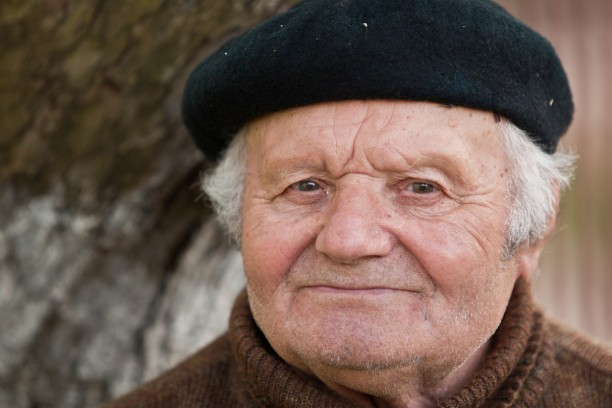
According to Myroslav F., born in 1928, who witnessed three shootings at the Jewish cemetery, small groups of Jews who had managed to hide during the deportation Aktions to Stryi were murdered there. The shootings followed a similar pattern each time: the Jews were forced to dig a pit themselves, after which a plank was placed over it. They were then made to step onto the plank and were shot. The last shooting at the Jewish cemetery took place on February 4, 1943, marking the final annihilation of the town’s Jewish community.
Soviet archival records indicate that in late 1942 and early 1943, German occupation forces killed more than 400 Jews in the Rozdil area and deported an additional 1,700.
By the end of the war, the Jewish community of Rozdil had ceased to exist. The town’s synagogue, communal institutions, and Jewish life were entirely destroyed. The Jewish cemetery survived and today contains approximately 200 remaining gravestones; however, no monument commemorates the Jews shot there during the German occupation.
In 1945, only four Jews were recorded as living in the area.
According to Bronyslav T., a prisoner-of-war camp operated in Rozdil for about a year. Among the detainees were French prisoners of war, who were forced to build the road leading to Ternopil.
For more information about the killing of Jews from Rozdil in Stryi, please refer to the corresponding profile.
Do you have additional information regarding a village that you would like to share with Yahad ?
Please contact us at contact@yahadinunum.org
or by calling Yahad – In Unum at +33 (0) 1 53 20 13 17