1 Killing site(s)
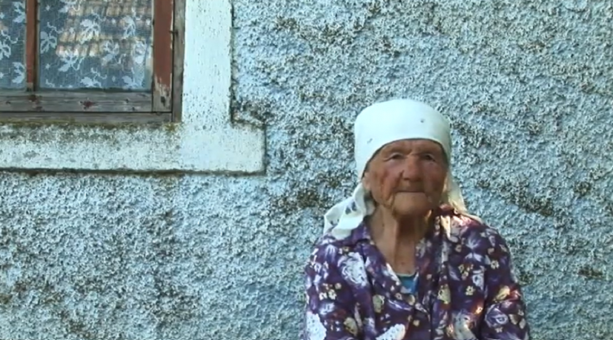
Maria M., born in 1922: "I saw columns of Jews being marched through our village toward Great Bohdanivka. I saw two of them. Sometimes they stopped for a short moment, and once I brought them some cheese. One of the policemen, who came from somewhere else, almost punished me, but he got distracted by the Jewish woman who was giving birth and screaming, so I ran away. I later learned that this woman and her newborn baby were shot on the spot. When the first column was being brought in, some of the Jews from that group were taken to the Bohdanivske farm by the Volksdeutsche policemen from our village. I used to know their names, but I’ve forgotten them now. They were put in a barn. People said that all these Jews were burned in the barn. I didn’t see them, but I saw the barn burning for several days." (Testimony N°YIU334U, interviewed in Bohdanivske, on July 21, 2006)
"[…] Some inmates of the Bogdanovka camp managed to escape. They hid in piles of straw and in uninhabited premises or premises intended for livestock breeding in the hamlets of Bogdanovka [present-day Bohdanivske], Makarovka, and Velikovka, in the village of Anetovka, and in other places in the Domaniew district.
The defendants in the present case tracked down and shot these exhausted and sick people.
Thus, in December 1941, policemen of the ‘Selbstschutz’ detachment, among them the defendants Hass, Kielwein, Koch, Pastuschenko, and K. Ebenal, arrested a group of approximately 35 citizens in the steppe near the hamlet of Bogdanovka, led them away to the premises intended for livestock breeding of the former ‘Komintern’ kolkhoz, and shot them there.
In the same month of 1941, approximately 30 citizens of Jewish nationality were staying in the horse stable of the former ‘Komintern’ kolkhoz in the hamlet of Bogdanovka, having fallen behind a column that had been led to the village of Bogdanovka. Policemen of the ‘Selbstschutz’ detachment, among them the defendant Koch, led them to the cattle yard of the former ‘Komintern’ kolkhoz and shot them there.
At the end of December 1941, at the same place, policemen of the ‘Selbstschutz’ detachment, among them the defendants Hass, Kielwein, and Koch, shot 30 Soviet citizens who had been held in the smithy until their execution.
At the end of December 1941, the defendants Koch and Pastuschenko, with other policemen also participating, brought 5 Jewish women from the village of Domanievka to the hamlet of Bogdanovka. At night, they led them into the livestock premises of the former ‘Komintern’ kolkhoz, stripped them, and shot them. They divided the clothing of those shot among themselves. […]" [Excerpt from the verdict delivered in Nikolayev on September 6, 1967, in the case of Hass and 10 other members of the Selbstschutz. BArchB162/2313 pp. 39-40]
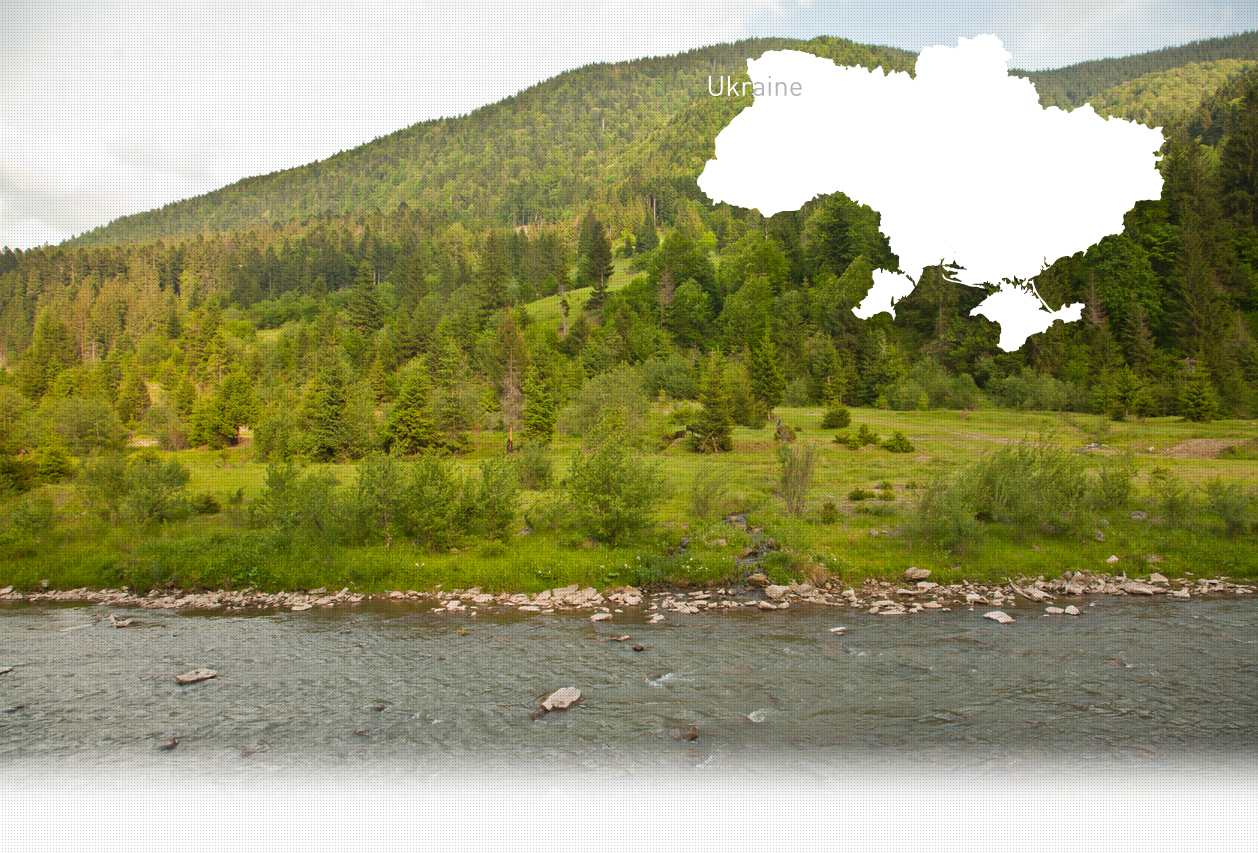
The village of Bohdanivske, formerly known as the hamlet (khutor) of Bogdanovsky, is located in the Mykolaiv Region, Ukraine. It lies approximately 12 km (7.46 mi) northeast from Domanivka and 24 km (15 mi) northwest from Voznesensk. Prior to the 2020 administrative reform, the village belonged to the Domanivka district.
Like several rural settlements in this region, the Bogdanovsky hamlet was home to a community of German settlers (Volksdeutsche). Before the Second World War, the hamlet was divided into two parts: one Ukrainian and the other German. The ‘Komintern’ kolkhoz (collective farm) was located in the Ukrainian part, while the German part was associated with the ‘Neudorf’ kolkhoz.
Bohdanivske was occupied by German troops in August 1941. As part of the village was inhabited by Volksdeutsche (ethic Germans), in October 1941, a self-defense detachment, Selbstschutz, consisting of approximately 20 local German men was created in the hamlet. This information is corroborated by archival records and local witnesses. Archival documents indicate that the unit operated under the command of SS officers headquartered in the neighboring German colony of Rastatt (present-day Porichchya).
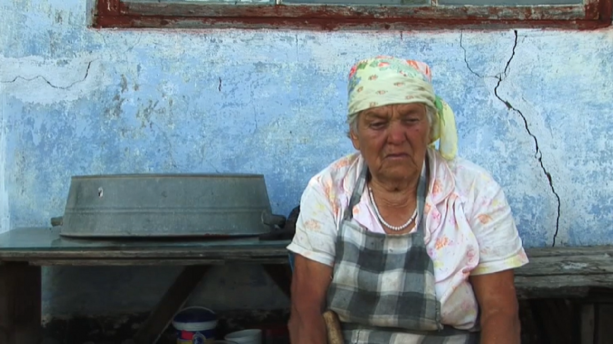
Witnesses interviewed by Yahad – ln Unum in Bohdanivske agree that columns of Jews were led through the village in the direction of Bohdanivka (referred to by witnesses as "Big Bohdanivka" to avoid any confusion). According to Nadia K., born in 1928, some Jews managed to escape from these columns and hide in the Bogdanivske kolkhoz (collective farm) buildings, such as stables, cow sheds, and so on. Other Jews were brought to the village by Volksdeutsche. The totality of these Jews were shot in two silo pits located on the collective farm territory. According to archival sources, several shootings were carried out in December 1941.
Witnesses also state that after the passage of the columns, the bodies of Jews who had died of hunger or exhaustion were found along the road and inside the stables where a number of Jews had taken refuge. Their bodies were transported by local residents to the same silo pits. Maria M., born in 1922, describes a distinct episode when a group of Jews, part of a column being taken to Bohdanivka, was taken to the village and placed in a barn. Maria did not see what happened next, but she saw the barn burning for several days; people said that the Jews had been burned inside.
In total, according to witnesses, approximately 100 Jews were shot in Bohdanivske. This information is corroborated by archival data and testimony from Volksdeutsche policemen tried by the Soviet state after the war. The silo pits in Bohdanivske where the victims were buried remain unmarked by any memorial.
Do you have additional information regarding a village that you would like to share with Yahad ?
Please contact us at contact@yahadinunum.org
or by calling Yahad – In Unum at +33 (0) 1 53 20 13 17