

1 Killing site(s)
Mykola T., born in 1931: "In the winter of 1941, large numbers of Jews from Odesa were deported to this region. Many perished along the way. Upon arrival, the survivors were dispersed among villages along the route, including Buzvarove, Novovoskresenka, Ivanivka, and Novyi Step." (Testimony N°YIU355U, interviewed in Novovoskresenka, on July 25, 2006)
"[…] 4. The same gendarmerie* shot 400 Jewish civilians, including many elderly people and children, in the hamlet of Chmaltsy (today Novyi Step), in the commune of Pokrovskoïe [today Pokrovka]. The shootings took place on 3 and 4 March 1942. The bodies were transported to a pit and burned. […]" [Act N°2 drawn by State Extraordinary Soviet Commission (ChGK), on June 17, 1944; p.365; GARF 7021-68-178/Copy USHMM RG.22-002M]
*[the Romanian gendarmerie led by Plutonier K. - see the archives related to the Pokrovka entry]
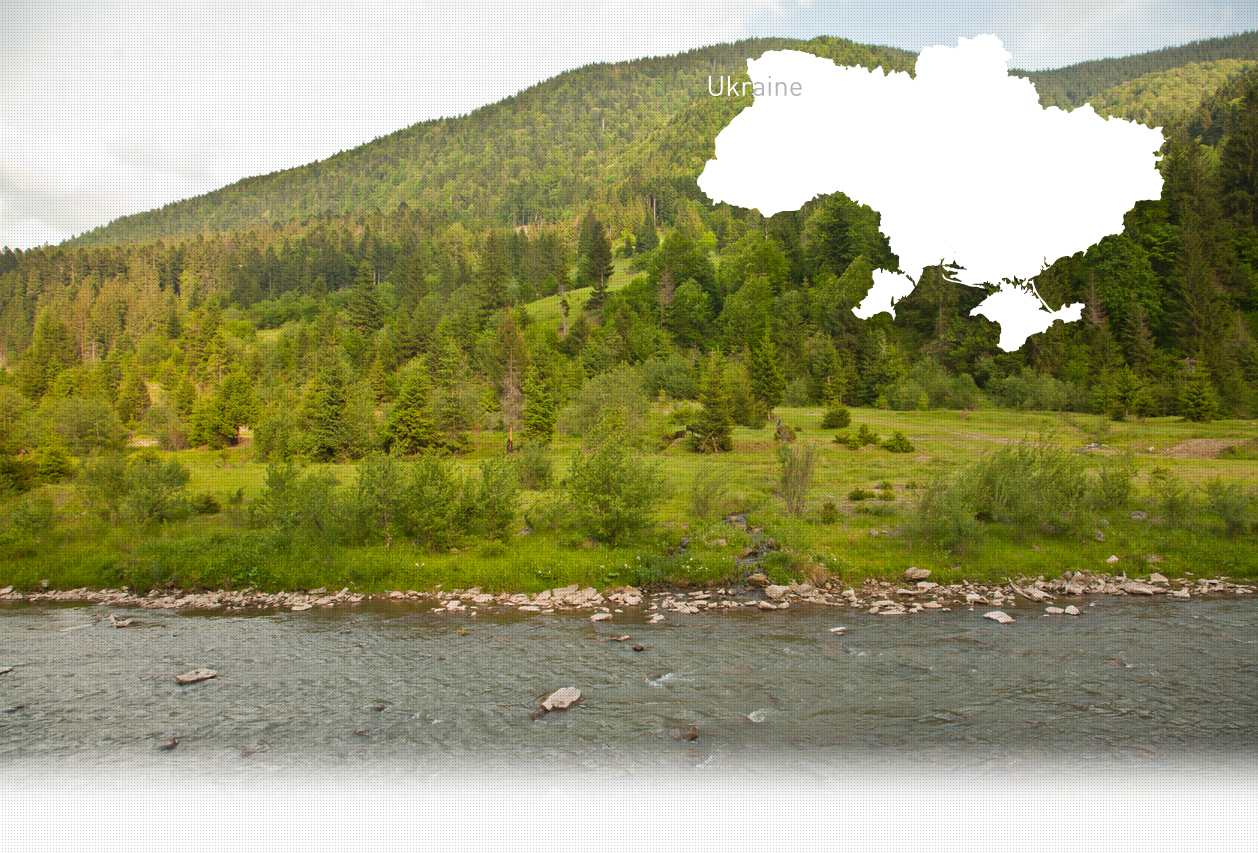
Novyi Step (formely Schmaltz) is a village located approximately 80 km (50 mi) from Mykolaiv, the regional administrative center.
Founded around 1842 under the name Schmaltz, the hamlet emerged within the broader agrarian policies of the Russian Empire in the early nineteenth century, which encouraged the settlement of foreign colonists in southern Ukraine. It was established as a German Catholic agricultural colony by migrants from southwestern Germany and, like many neighboring settlements, was named after its principal landowner, Schmaltz.
Although founded by German settlers, such colonies often included residents from other national and religious backgrounds. No available sources conclusively attest to a Jewish presence in Schmaltz itself prior to the Second World War. However, documentation concerning nearby colonies suggests a pattern of multiethnic coexistence characteristic of the region. In Landau (now Shyrokolanivka), for example, landowners included ten Germans, five Russians, twelve Jews, and two Moldovans. Jews were primarily engaged in artisanal and commercial occupations, such as tailoring, shoemaking, and grocery trade, while Germans predominated in skilled crafts including blacksmithing, carpentry, and pottery.
This socio-economic configuration reflects the diversity typical of rural areas in southern Ukraine and the former Pale of Settlement, where German colonies, Ukrainian villages, and Jewish communities coexisted within interconnected rural networks.
Novyi Step (formerly Chmaltsy), in present-day Mykolaiv region, was occupied by German forces in August 1941.
In the winter of 1941–1942, following the deportation of Jews from Odesa after the Romanian occupation of the city in October 1941, groups of deportees were driven into rural areas of the Mykolaiv region. Postwar testimonies indicate that many perished during the forced march. Those who survived were temporarily confined in villages along the route, including Buzvarove, Novovoskresenka, Ivanivka, and Novyi Step.
Archival documentation records that on March 3 and 4, 1942, the Romanian gendarmerie shot approximately 400 Jewish civilians in the hamlet of Chmaltsy (now Novyi Step).
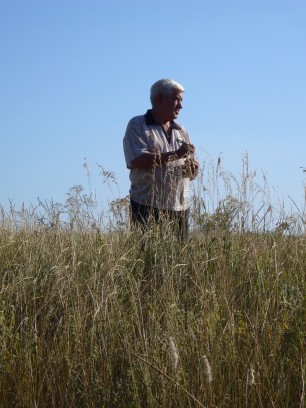
A Yahad – In Unum witness, Mykola T., born in 1931, corroborated these events and guided the Yahad team to the ravine in Novyi Step where the victims were killed. Today, no memorial marks the site of the massacre.
Do you have additional information regarding a village that you would like to share with Yahad ?
Please contact us at contact@yahadinunum.org
or by calling Yahad – In Unum at +33 (0) 1 53 20 13 17