
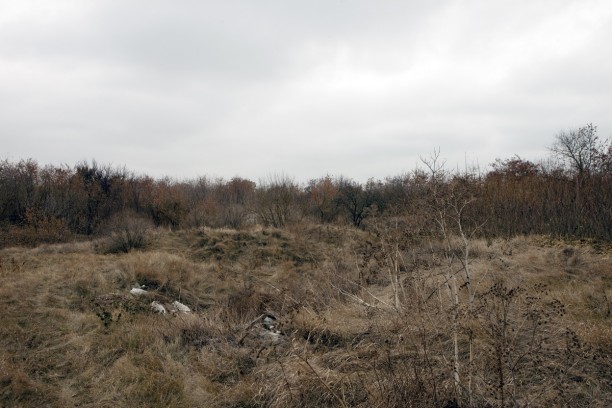
1 Killing site(s)
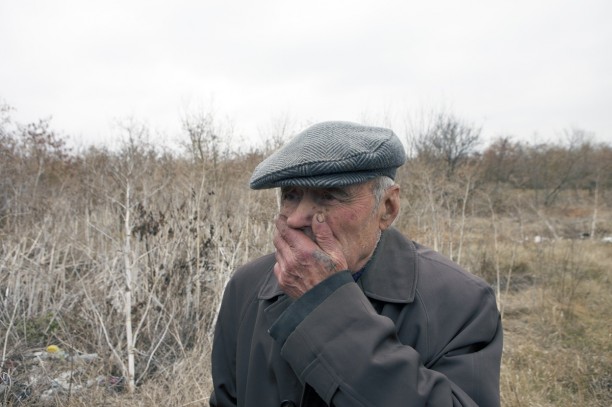
Mykola Kh., born in 1927: "Hundreds of Jews from Odesa were brought here from the Berezivka railway station. It was winter, and the poor souls were forced to march through the snow on foot; the children were freezing. They were placed in the farm buildings, mostly inside the pigsty. My mother would give me soup and hot water, and I would bring it to them so they could warm up a little. We felt immense pity for them, especially the freezing children. They only spent one night there. The next day, the Romanians requisitioned the local men to transport the Jews to Novohryhorivka. Several dozen weak individuals, unable to walk, along with children, remained behind in the pigsty. Once the main column had been led away, these remaining Jews were dragged outside by gendarmes and shot in front of the farm. Their bodies were then transported to the silo pit and burned there." (Testimony N°YIU1293U, interviewed in Novopavlivka, on November 09, 2011)
" […] On January 17, 1942, a convoy of 600 deportees from Odesa, escorted by Romanian soldiers, arrived in the village of Novo-Pavlovka [presend-day Novopavlivka]. They were housed for the night in three unheated barns. During the night, 170 people froze to death. 20 people were shot in the morning. All bodies were moved to the kolkhoz’s silo pit, located 250 meters west of the barns. […] " [Act n°7 drawn by State Extraordinary Soviet Commission (ChGK), on September 6, 1944, p.3; GARF 7021-69-79/Copy USHMMRG.22-002M]
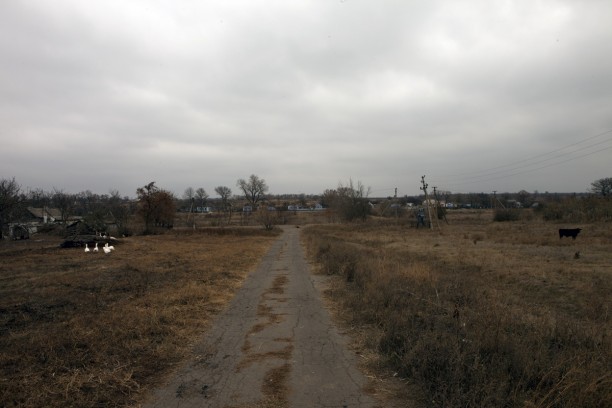
Novopavlivka is a small rural settlement located in the present-day Voznesensk District of Mykolaiv Region, Ukraine. The village, established in 1925, is situated approximately 39 km (24.2 mi) southwest of Voznesensk.
According to a local witness interviewed by Yahad - In Unum, the village was inhabited by Ukrainians, and no Jewish residents lived there on the eve of the Second World War.
Following the outbreak of Operation Barbarossa in June 1941, Novopavlivka was occupied by German forces and subsequently placed under Romanian administration.
Archival sources indicate that on January 17, 1942, a convoy of 600 Jews from Odesa was brought to Novopavlivka by Romanian soldiers. This account is corroborated by the testimony of Mykola Kh., born in 1927, who was interviewed by Yahad-In Unum. According to his recollection, however, the victims were brought in two separate groups over a short period of time. Mykola Kh. recalled that the Jews were forced to march from the Berezivka railway station after arriving by train from Odesa. These marches occurred in harsh winter conditions, leaving many to walk barefoot or in inadequate footwear through the snow, resulting in severe frostbite. Upon arrival, they were temporarily detained in agricultural barns, primarily a large pigsty on a local farm, under armed Romanian guard, where they were brought warm food by local residents.
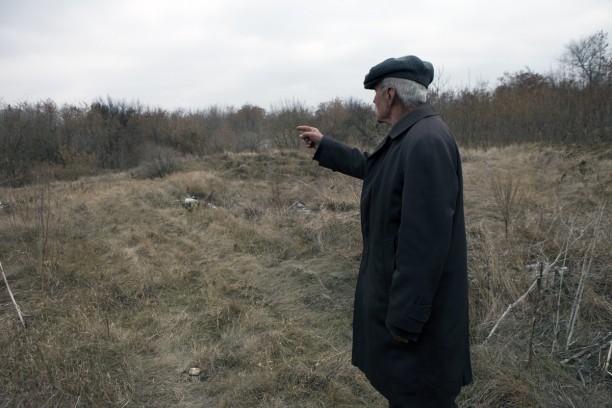
The detainees were held there for a single night. Soviet archival records indicate that 170 people froze to death in the barns during that night. The following morning, local villagers were requisitioned to transport most of the survivors toward Novohryhorivka using sleds. Elderly individuals and young children were placed onto the sleds, while healthier adults were forced to proceed on foot. At the same time, several dozen Jews, predominantly young children and those unable to walk, remained behind in the pigsty. After the main column departed, Romanian gendarmes dragged the remaining detainees outside and shot them by rifle fire in front of the building. Villagers were subsequently ordered to transport the bodies to a silo pit near the local cemetery, where they were incinerated.
According to Mykola Kh., shortly thereafter, a second column arrived in Novopavlivka under similar conditions. Weakened individuals from this group were also killed and taken to the same site. The incineration process lasted several days before the pit was backfilled and sealed.
Mykola Kh. estimated the number of Jewish victims shot in Novopavlivka at several dozen. However, archival records place the total number of victims as high as 190, including both those who froze to death and those who were shot. Today, no memorial marks the killing site or the pit where the victims were incinerated.
Do you have additional information regarding a village that you would like to share with Yahad ?
Please contact us at contact@yahadinunum.org
or by calling Yahad – In Unum at +33 (0) 1 53 20 13 17