

1 Killing site(s)
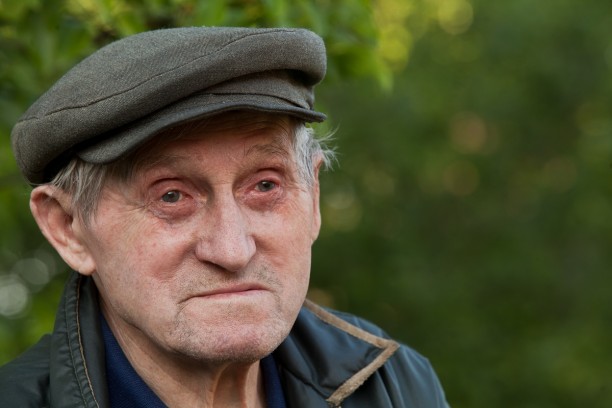
Ivan S., born in 1922: "That day, I went with other boys to a friend’s house, Kolosevych, who lived across from the forest. We wanted to know what was going to happen; we were curious. We could not approach the site directly because we were chased away, so we went into my friend’s vegetable garden, from where we could see the edge of the forest and everything that was happening there.
On the day of the shooting, the locals were requisitioned to dig the pit. When the Jews were brought to the forest, the pit was already ready. The Jews were forced to undress down to their underwear. They put their clothes in a pile on the ground. Then they stepped one by one onto the plank laid across the pit and were shot by the German shooter. Later, their clothes were taken somewhere else." (Testimony N°YIU1509U, interviewed in Vilkhivtsi, on May 21, 2012)
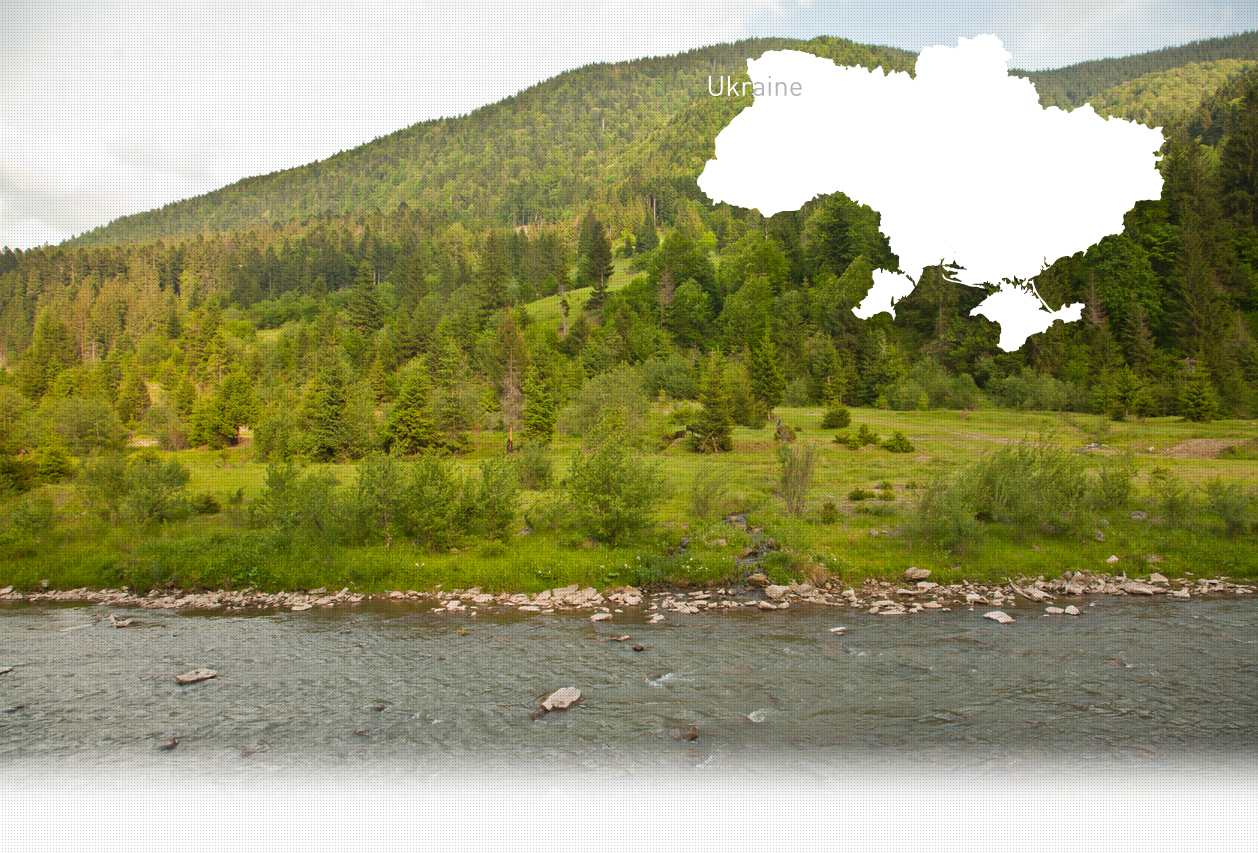
Vilkhivtsi is a locality situated in the Lviv region, located approximately 64 km (39 mi) south of Lviv and 22 km (13 mi) from Stryj. Traces of the village’s existence can be identified at the beginning of the 18th century with the construction of a Polish manorial estate. At that time, the village bore the name Cucułowce. After the Second World War, on May 7, 1946, the locality was officially renamed Vilkhivtsi.
Regarding the Jewish presence and the national composition of the population during the interwar period, a study devoted to the national and religious dynamics of the Żydaczów [today Zhydachiv] county for the years 1921–1939 provides the following data for Cucułowce: a total population of 669 inhabitants, of whom 396 individuals (59.19%) were of Jewish origin, while 273 inhabitants (40.81%) belonged to other national groups.
No specialized historical sources provide detailed information on the religious, cultural, or economic life of the Jewish community. Nevertheless, the proximity of major centers of Jewish life such as Stryj and Zhydachiv likely influenced the Jewish community of Vilkhivtsi, particularly regarding religious practices and economic activities.
During the Soviet occupation in 1939–1940, the village experienced significant social and economic transformations. Private enterprises were abolished, forcing many residents to seek employment in local administrative bodies or state-run cooperatives.
Vilkhivtsi and the surrounding area were occupied by German troops in early July 1941.
According to the testimony of Ivan S., interviewed by Yahad-In Unum, he did not recall any Jewish residents living in his immediate neighborhood. He did, however, witness a column of Jews arriving from Zhydachiv, passing through Vilkhivtsi, and heading toward Stryi. Ivan S. stated that the local police had received orders to prevent the group from reaching Stryi; consequently, the Jews were stopped and confined overnight in a stable.
On the following morning, local Ukrainians were requisitioned to dig a pit on the outskirts of the village, in a field at the edge of the forest near a small river. Ivan S. recalled that the pit measured approximately 3 meters in width and 7 meters in length. Once the pit had been prepared, the Jews were lined up and escorted toward the forest by four local policemen and one German. According to his recollection, the group comprised 78 Jews, all adults, both men and women.
At the killing site, the victims were ordered to undress down to their underwear and to place their clothing in a pile on the ground. They were then forced, one by one, to walk across the plank laid over the pit, where the German shot each victim in the head with a rifle. The villagers who had been compelled to dig the pit were made to wait nearby during the shooting. Afterward, they were forced to arrange the bodies in the pit and to cover it with earth. The victims’ clothing was subsequently taken away by the police.
According to Ivan S.’s testimony, this was the only mass shooting that took place in Vilkhivtsi. He stated that he was unaware of the fate of the local Jewish community.
Today, no memorial marks the killing site. The victims’ remains were reportedly exhumed and reburied in the cemetery during the Soviet period to make the land arable. The field is now overgrown with trees.
Do you have additional information regarding a village that you would like to share with Yahad ?
Please contact us at contact@yahadinunum.org
or by calling Yahad – In Unum at +33 (0) 1 53 20 13 17